
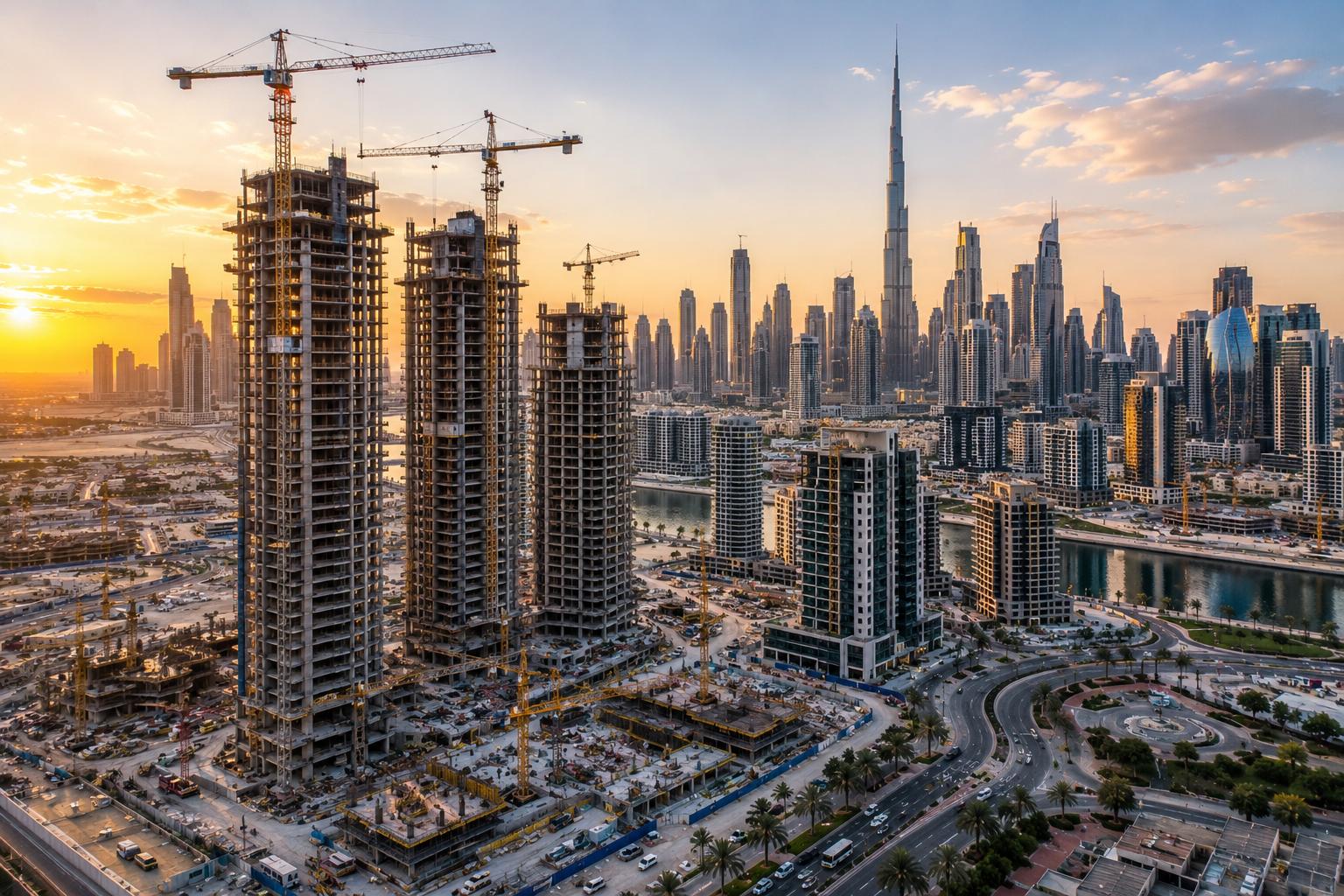
Executive Overview & Investment Essentials
Dubai Property Prices in Late 2026: Buy Now or Wait Until 2027? is a premier off-plan residential development by Premier UAE Developer situated in Dubai, Dubai. Starting from Price on Application with a structured 60/40 Construction Linked payment plan, handover is targeted for Q4 2028. Golden Visa eligibility starts at AED 2,000,000. Competitive Market Entry
- Developer
- Premier UAE Developer
- Location / District
- Dubai
- Starting Price
- Price on Application
- Payment Structure
- 60/40 Construction Linked
- Handover Quarter
- Q4 2028
- DLD Permit / Escrow
- DLD-TRAKHEESI-2026
Verified against Dubai Land Department (DLD) rate cards and official developer brochures as of October 2026.
Dubai’s property market is entering a more cautious phase in late 2026. After several years of strong activity, residential sales have slowed, more homes are reaching completion, and buyers have become increasingly selective. This raises an important question for investors and homebuyers: Are Dubai property prices going down, and is it better to buy now or wait until 2027?
The answer depends on the property, location, purchase strategy, and financial position of each buyer. Recent market data points to weaker transaction activity and greater pressure for some properties, but it does not mean every community or property type will experience the same price movement.
For buyers considering property for sale in Dubai, the final months of 2026 could offer opportunities to negotiate more carefully. However, waiting until 2027 is not a guarantee of lower prices.
Dubai Property Prices in Late 2026: Current Market Trends
Dubai’s residential market showed a clear slowdown in the third quarter of 2026. According to reporting on Cavendish Maxwell’s Q3 market data, residential sales reached approximately AED 72.6 billion across around 34,000 transactions. The total sales value was down 47% year on year, while transaction volume declined by 38%.
These figures suggest that buyer activity has become more measured after the strong market conditions of previous years. Regional uncertainty, changes in investor sentiment, and the timing of property registrations have all contributed to the shift.
However, a decline in sales activity should not automatically be interpreted as an equivalent decline in property prices. Transaction values can fall because fewer properties are sold, because the mix of properties changes, or because buyers and sellers adjust their expectations.
The distinction matters. A market with fewer transactions may give buyers more room to negotiate, even when desirable properties in established communities continue to attract interest.
Source: The National — Dubai home sale transactions fall in Q3 2026.
Are Dubai Property Prices Falling in Late 2026?
There are signs of price pressure in parts of the Dubai property market, but the trend is not uniform.
During the second quarter of 2026, residential sales prices eased by 2.6% quarter on quarter, while rental rates declined by 2.5%, according to market figures reported by Gulf News from Cavendish Maxwell. Prices nevertheless remained slightly above their level a year earlier at that point.
By October, reporting on Q3 market conditions indicated that the slowdown in transactions had become more pronounced. S&P Global Ratings also expected a gradual market correction, with apartments potentially facing more pressure than villas because of the supply pipeline.
These developments point to a market moving away from the rapid growth of earlier years and towards more selective pricing. They do not establish a single price trend for every property in Dubai.
Three factors are particularly important:
- Property supply: Communities receiving many new apartment handovers may face more competition between sellers and landlords.
- Buyer demand: Properties that match genuine end-user needs and have strong location advantages may remain comparatively resilient.
- Property quality: Layout, maintenance, building reputation, transport access, service charges, and the developer’s track record can influence a property’s resale prospects.
For buyers, the practical takeaway is to evaluate recent completed transactions for comparable properties rather than relying only on asking prices or broad citywide forecasts.
Sources: Gulf News — Dubai homebuyers get more choice as new units enter the market and The National — Q3 2026 market report.
Why Dubai’s Property Market Is Becoming More Selective
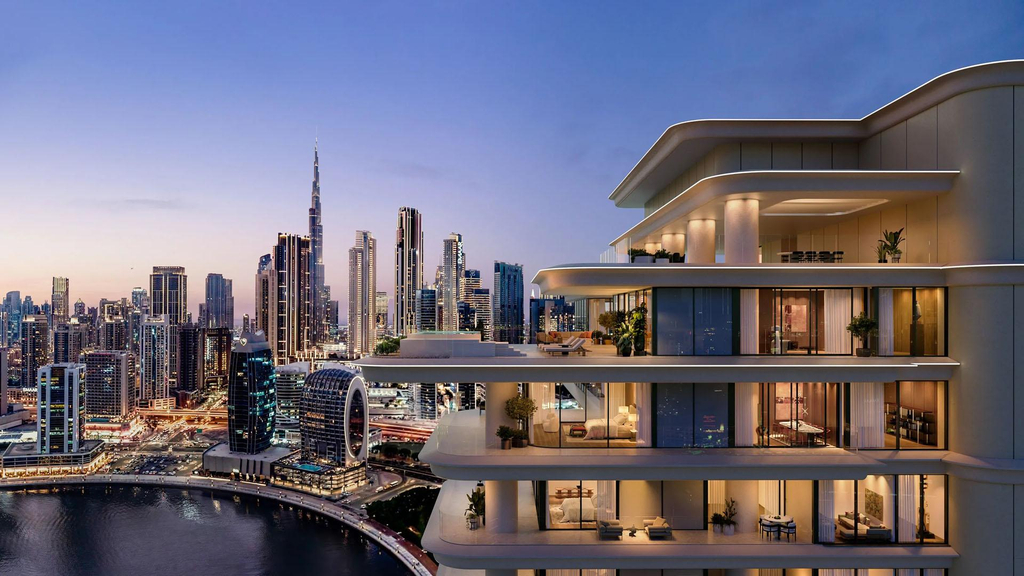
The slowdown is happening alongside a significant increase in housing supply. Cavendish Maxwell figures reported by Gulf News show that approximately 24,800 homes were completed in Dubai during the first half of 2026, an increase of almost 38% compared with the same period a year earlier.
More completed homes can give buyers greater choice. It can also increase competition between landlords and sellers, particularly in communities where many similar apartments are available.
The future pipeline is another factor to monitor. Around 162,500 units were scheduled for completion in 2027, according to the same report. This is a scheduled supply figure, not a guarantee that every unit will be delivered on time. Actual handovers can differ from announced schedules because of construction progress and project delays.
The effect of new supply will depend on where homes are delivered, which property types they represent, and whether demand can absorb them.
For example, a community receiving many similar apartments may experience greater competition than a location where suitable homes are limited. Buyers should therefore assess supply at the community and building level rather than assume that all of Dubai will respond in the same way.
Apartments vs Villas: Which Could Face More Price Pressure?
Not every segment of the Dubai real estate market carries the same risks. Apartments and villas can respond differently to changes in supply, buyer demand, and rental conditions.
Apartments
Apartments may face stronger competition in locations with a large pipeline of similar units. When buyers have more options, sellers may need to adjust asking prices, offer better payment terms, or accept longer selling periods.
Investors should pay particular attention to the number of comparable apartments available for sale or rent, the building’s service charges, occupancy prospects, and the likely completion of nearby developments.
A lower purchase price alone does not make an apartment a good investment. Expected rent, ongoing expenses, resale demand, and the total cost of ownership must also be considered.
Villas and Townhouses
Villas and townhouses can have different supply dynamics, especially in established family communities where land availability, community amenities, and property layouts influence demand.
However, villas are not automatically protected from a market correction. Their prices can still be affected by affordability, financing conditions, location, maintenance costs, and changes in buyer confidence.
Buyers comparing villas with apartments should focus on the individual property and its local market rather than assume that one category will always outperform the other.
Should You Buy Property in Dubai Now or Wait Until 2027?
There is no single answer for every buyer. The right timing depends on whether the property is intended for personal use, rental income, or long-term capital growth.
| Your situation | Buying in late 2026 may make sense if… | Waiting until 2027 may make sense if… |
|---|---|---|
| Buying a home | You have stable finances and find a property that meets your needs at a fair price. | You need more time to save a deposit or compare locations. |
| Investing for rent | The expected net rental return remains attractive after expenses. | You want more evidence about rental demand and incoming supply. |
| Buying off-plan | The developer, project, payment schedule, and completion risks have been carefully checked. | You prefer to assess more completed projects and compare alternatives. |
| Seeking a short-term resale | You can tolerate price volatility and have a realistic exit strategy. | Your plan depends on quick appreciation or selling within a short period. |
Reasons to Consider Buying Before 2027
1. More room to negotiate
When transaction activity slows and buyers have more choice, some sellers may become more flexible. This can create opportunities to negotiate on price, completion terms, or other conditions.
Negotiating power varies by property. A motivated seller may be flexible, while a well-priced home with strong demand may attract competing offers.
2. The ability to choose carefully
A slower market can give buyers more time to compare properties, review documentation, and evaluate total ownership costs instead of rushing into a decision.
3. Immediate use or rental income
For a ready property, a buyer may be able to move in or begin renting it out after completing the purchase and meeting the relevant requirements. This can be valuable when the property suits a long-term plan.
Potential rental income should still be checked against realistic local rents, vacancy periods, service charges, maintenance, and management expenses.
Reasons to Wait Until 2027
1. More clarity on property supply
As more projects reach completion, buyers may gain a clearer view of competition between similar properties. This could create better opportunities in some locations, although the effect will not be identical across the city.
2. More evidence about prices
Waiting allows buyers to track completed transactions, changes in asking prices, and how long comparable properties take to sell. This information can help distinguish genuine price adjustments from temporary changes in market sentiment.
3. More time to prepare financially
A property purchase should not depend on trying to predict the exact bottom of the market. Buyers who need more time to build savings, obtain mortgage approval, or reduce existing financial commitments may benefit from waiting.
The risk is that a desirable property could become more expensive or unavailable before they are ready. The future direction of prices cannot be guaranteed.
Is Buying Off-Plan in Dubai Still Worth Considering?
Off-plan properties remain an important part of Dubai’s residential market, but buyers should evaluate them carefully in a more selective environment.
Payment plans can spread payments across a period of time, making some developments accessible to buyers who do not want to pay the full purchase price upfront. However, a flexible payment schedule does not necessarily mean a project is inexpensive or low-risk.
Before buying off-plan, review:
- The developer’s delivery record and reputation.
- The project’s current construction progress and expected handover date.
- The payment schedule and the amount due at each stage.
- The project’s registration and escrow arrangements, verified through official channels.
- Comparable completed properties and competing developments nearby.
- Potential service charges, ongoing costs, and realistic resale demand.
Buyers should also consider whether the property would remain suitable if prices did not rise as expected. An investment that only works under an optimistic resale scenario may expose the buyer to unnecessary risk.
For people who prefer to avoid construction and handover uncertainty, a ready property may offer a clearer picture of the building, location, and current rental market.
What Buyers Should Check Before Making an Offer
A market slowdown does not remove the need for careful due diligence. Before committing to a property in late 2026, buyers should review both the asset and their own financial position.
1. Compare Recent Transactions
Look for recently completed sales involving similar properties in the same building or community. Compare size, condition, floor level, views, parking, and completion status wherever relevant.
Asking prices show what sellers hope to receive; completed transactions provide stronger evidence of what buyers have actually paid.
2. Calculate the Total Purchase Cost
Do not budget for the advertised price alone. Consider applicable Dubai Land Department transfer fees, agency fees, trustee or registration charges, mortgage-related costs, and any other costs relevant to the transaction.
Confirm the current fee schedule and applicable charges with the relevant authorities and licensed professionals before proceeding.
3. Calculate Net Rental Return
Gross rental yield does not show the full investment picture. Deduct expected service charges, maintenance, management fees, vacancy periods, and other ownership expenses to estimate net income.
Use realistic rental assumptions rather than relying solely on the highest advertised rent in the area.
4. Check the Developer and Property Documents
For off-plan purchases, confirm the project’s registration, escrow details, construction progress, payment terms, and contractual protections. For ready properties, review title documentation, service-charge information, building condition, and any outstanding obligations through the appropriate channels.
5. Keep a Financial Buffer
Avoid committing every available dirham to the purchase. Maintain a reserve for unexpected expenses, repairs, vacancy, changes in income, or delays.
A property should fit your financial circumstances even if the market takes longer than expected to recover.
Dubai Property Market Outlook for 2027
The outlook for 2027 will depend on several factors, including the pace of new handovers, regional and global economic conditions, investor confidence, mortgage affordability, and the emirate’s ability to attract residents and businesses.
A larger supply pipeline could put pressure on some apartment markets, particularly where many similar units compete for the same tenants or buyers. Other properties may perform differently because of location, quality, limited comparable supply, or end-user demand.
Transaction volumes and prices should also be monitored separately. A reduction in sales does not necessarily mean every property is becoming cheaper, just as a rise in transaction value does not automatically mean property prices have increased.
Rather than relying on a single forecast, buyers should watch the following indicators through the coming quarters:
- Registered sales prices for comparable properties.
- Transaction volumes and the time properties spend on the market.
- Actual handovers compared with announced completion schedules.
- Rental rates, vacancy levels, and net rental yields.
- Mortgage costs and the affordability of monthly payments.
Dubai’s property market may offer opportunities as conditions become more selective, but the best decision will depend on the specific property and the buyer’s financial goals.
Final Verdict: Buy Now or Wait Until 2027?
Buying in late 2026 may suit buyers who are financially prepared, have a clear long-term plan, and can secure a property at a price supported by comparable transactions. A more cautious market may create opportunities to negotiate, but buyers should not assume that every seller will discount or that every property will appreciate.
Waiting until 2027 may be more appropriate for buyers who need time to prepare financially or want to see how incoming supply affects their target community. However, waiting does not guarantee lower prices, and the best opportunities may not remain available.
The most practical strategy is to compare individual properties, verify the numbers, calculate total costs, and choose a purchase that remains affordable under different market scenarios.
At Laureate Properties, buyers can explore our properties for sale in Dubai and Dubai off-plan properties to compare opportunities based on their budgets, preferred locations, and investment goals.
By monitoring Dubai property prices and evaluating each opportunity carefully, buyers can make informed decisions without trying to predict the exact bottom of the market.
Dubai property prices in late 2026 vary by community, property type, and demand. Buyers should compare recent transactions, available supply, and asking prices before deciding whether to purchase now or wait until 2027.
Frequently Asked Questions
Are Dubai property prices falling in late 2026?
Market reports indicate weaker transaction activity and price pressure in parts of Dubai during 2026. However, price movements vary by property type and location. Buyers should review recent completed transactions for comparable properties rather than rely on a single citywide figure.
Will Dubai property prices be lower in 2027?
Prices could face further pressure in some communities if supply increases faster than demand. However, the timing and scale of any adjustment remain uncertain. Waiting until 2027 does not guarantee a lower purchase price.
Is late 2026 a good time to buy property in Dubai?
It may be a suitable time for buyers who have stable finances, have researched their preferred location, and find a property priced fairly against comparable sales. The decision should be based on affordability and long-term suitability rather than market timing alone.
Should I buy an apartment or a villa in Dubai in 2026?
The right choice depends on budget, intended use, location, expected rental income, maintenance costs, and future resale demand. Apartments may face more competition in areas with substantial new supply, while villas also carry price and affordability risks.
Is off-plan property a good investment before 2027?
Off-plan property may suit buyers who understand the construction timeline, payment obligations, developer track record, and resale risks. A flexible payment plan should not replace due diligence or a comparison with ready properties.
What should I check before buying property in Dubai?
Compare recent sales, calculate all purchase and ownership costs, review the property’s documentation, verify the developer or seller, assess realistic rental income if applicable, and maintain a financial reserve. Consider advice from qualified legal, mortgage, and real estate professionals when needed.
Disclaimer: This article is for general information only and does not constitute financial, legal, or investment advice. Real estate prices, rental income, and market conditions can change. Verify current transaction data, applicable fees, project information, and contractual terms before making a property decision.